

Latest News
-

-

-

-

-

Rockchip RK3568 External SD Card Design
2025-02-13
Rockchip RK3568 External SD Card Design
1. Overview
The Rockchip RK3568 is a high-performance quad-core ARM processor widely used in industrial control, embedded systems, and smart devices. As a common external storage device, the stable and reliable connection of an SD card is crucial. This document introduces the key points and related requirements for the schematic design of connecting an SD card to the RK3568.
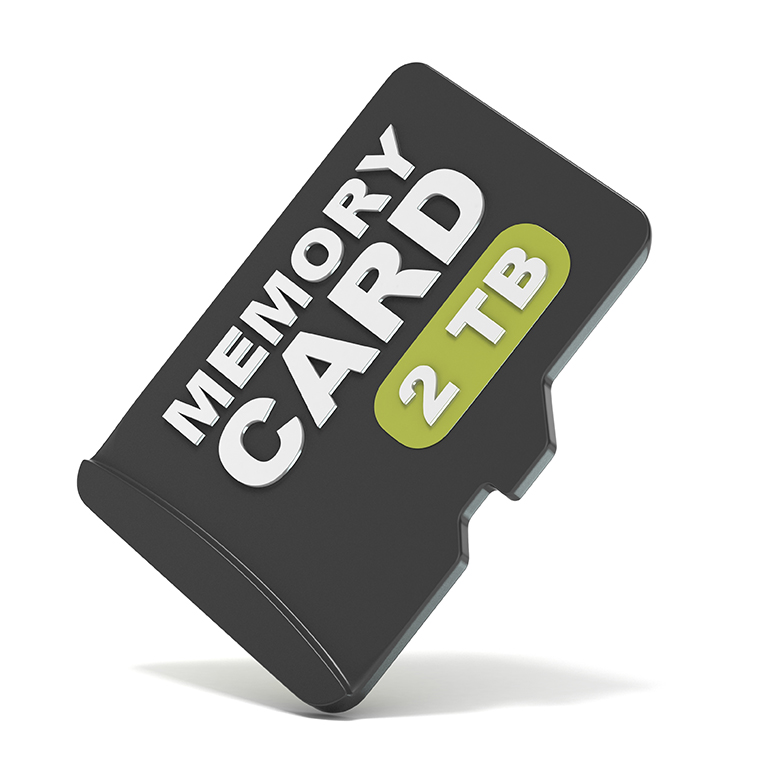
Figure 1: MicroSD Card Physical Diagram
2. Hardware Connection Design
The RK3568 provides an SDMMC interface for connecting SD cards. Common SD card interfaces include SDIO and eMMC modes. In SD mode, the main signals that need to be connected are as follows:
2.1 Main Signal Lines
SD_CLK (Clock)
SD_CMD (Command)
SD_D0 ~ SD_D3 (Data lines, SD 4-bit mode)
SD_VCC (Power supply, typically 3.3V)
SD_CD (Card detect, optional)
SD_WP (Write protect, optional)
2.2 Power Supply Design
SD cards typically operate at 3.3V, so the correct power supply must be provided based on the type of card used.
The RK3568 supports SD UHS-I mode. When 1.8V is required, voltage switching must be done using an LDO or level shifter.
2.3 Signal Integrity Design
Impedance matching: SD_CLK requires strict 50Ω impedance matching to reduce signal reflection.
Trace length: SD_CLK should be as short as possible, and data lines should be of equal length to minimize timing skew.
Shielding: Proper use of ground planes to reduce interference.
Pull-up/pull-down resistors: SD_CMD and SD_D0 ~ D3 require 10KΩ pull-up to VCCQ to ensure signal stability.
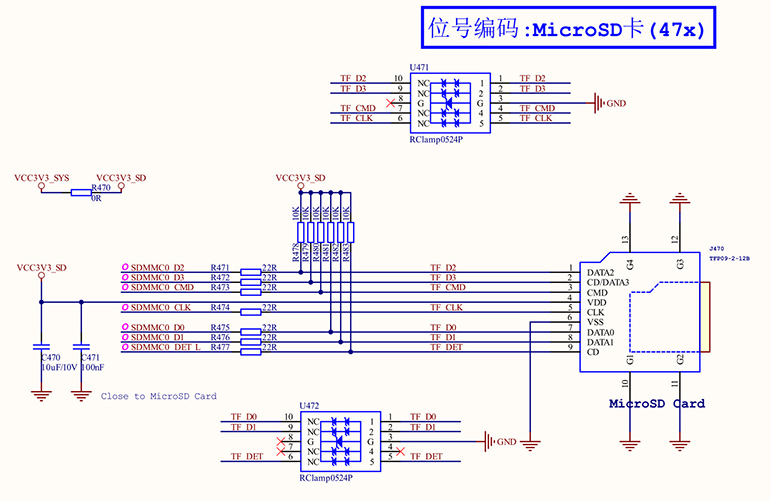
Figure 2: MicroSD Card Connection Diagram
3. Design Requirements
3.1 PCB Routing Requirements
Clock lines should be routed separately to avoid crossing and long-distance routing.
Data lines should be of equal length to minimize timing skew.
Signal layers should be as close as possible to ground layers to reduce interference.
Single-ended impedance of 50Ω.
Avoid high-speed signal interference near the SD card socket, such as WiFi and Bluetooth.
3.2 Software Configuration Requirements
In the device tree (dts) configuration, the power voltage and mode of the SDMMC controller must be correctly set:
&sdmmc {
status = "okay";
bus-width = <4>;
cap-sd-highspeed;
mmc-pwrseq = <&pwrseq_sdmmc>;
vmmc-supply = <&vcc_sd>;
vqmmc-supply = <&vcc_sdq>;
};
Correct initialization of GPIOs, such as CD detection and write protection.
Ensure that the SD driver is correctly enabled, such as CONFIG_MMC_SDHCI.
3.3 Compatibility and Testing
Choose branded SD cards to improve compatibility, such as SanDisk and Samsung.
Perform read/write stress tests to ensure the SD card is stable and reliable under long-term operation.
Test in different temperature environments to ensure reliability.
4. Conclusion
The schematic design for connecting an SD card to the RK3568 must strictly follow signal integrity, power management, and PCB routing specifications. Proper hardware design and software configuration can ensure the stable operation of the SD card in the system, improving product reliability and performance.
Hangzhou Weathink Electronics Co., Ltd., as a professional motherboard design company, has extensive experience in using external SD cards. Feel free to contact Weathink for our independently designed RK3568 SOM and stable industrial control computers.
https://www.weathink.com/products/hexinban/13.html